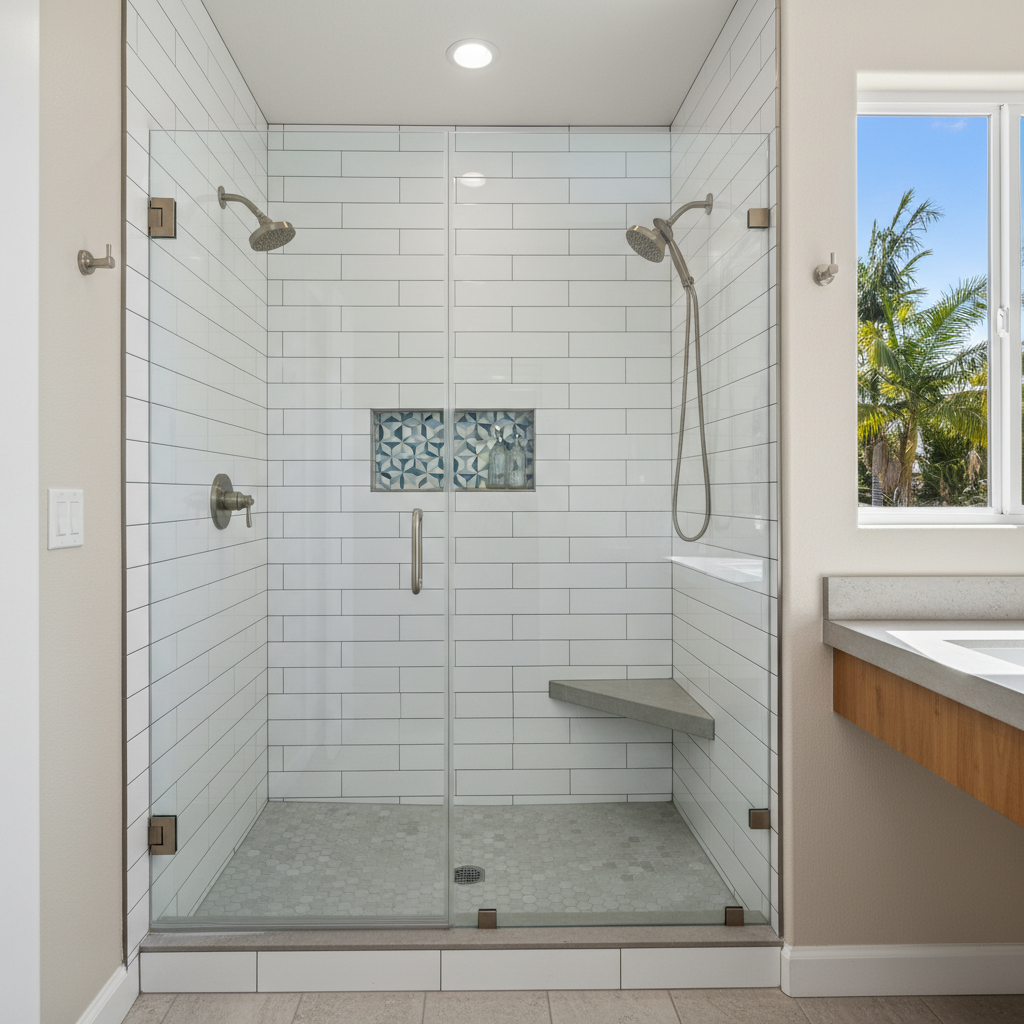
What's the Real Deal with Shower Replacement Costs?
Alright, let's talk showers. You're probably looking at your old one, maybe it's got some cracked tiles, leaky grout, or it's just plain ugly, and you're wondering, "What's this going to cost me to replace?" It's a fair question, and frankly, a lot of contractors will give you a vague answer. Not me. I'm going to give you the straight goods on what you can expect right here in Sherman Oaks.
A full shower replacement, meaning ripping out the old one and putting in a brand new setup, usually runs anywhere from $8,000 to $18,000+. Yeah, that's a pretty wide range, but there's a reason for it. It all depends on what you pick and what surprises we find once we open up those walls. For a good, solid, mid-range replacement that'll last you for years, you're probably looking at the $10,000 to $14,000 mark. If you're just swapping out a basic shower pan and some surround, you might sneak in a bit lower, but we're talking full replacement here.
What Makes the Price Tag Jump (or Stay Low)?
There are a few big factors that really move the needle on cost. You need to understand these so you can make informed choices.
- Size and Configuration: A small, standard 3x3 foot shower stall is naturally going to cost less than a sprawling 5x8 foot custom walk-in with multiple showerheads and a built-in bench. More square footage means more materials, more labor, and often more complex plumbing.
- Materials, Materials, Materials: This is a huge one. Are you going with basic ceramic tiles, or do you want high-end porcelain, natural stone like marble or granite, or even glass mosaic? Each has a different price point for the material itself, and also for the labor to install it. Large format tiles can sometimes be quicker to install than tiny mosaics, but stone requires specialized cutting and sealing.
- Plumbing Adjustments: If you're just replacing a shower in its existing footprint and the plumbing lines are in good shape, that's one thing. But if you want to move the shower head, add a body spray, or relocate the drain, that means opening up walls, rerouting pipes, and more labor. Sometimes, especially in older Sherman Oaks homes, we find galvanized pipes that need updating, which adds to the cost and scope.
- Enclosure Type: A simple shower curtain is cheap, but most people want a glass enclosure. Do you want a basic framed glass door, or a custom frameless heavy glass enclosure? Frameless looks fantastic and is easier to clean, but it's significantly more expensive due to the thicker glass and specialized hardware.
- Demolition and Prep Work: How much demo is involved? Is there mold or water damage behind the walls? We see this a lot in older bathrooms. Addressing these issues properly is crucial, but it adds time and material costs.
- Fixtures and Features: A standard shower valve and head are one price. A thermostatic valve with multiple body sprays, a rain head, and a handheld sprayer? That's a whole different ballgame. Don't forget things like niches (built-in shelves), benches, and grab bars.
What Should Be in Your Quote?
When you get a quote from Charis Bathroom & Kitchen or any other reputable contractor, it should be detailed. Don't accept a one-liner. Here's what you should expect to see itemized:
- Demolition: Removal and disposal of the old shower.
- Plumbing Rough-in: Any necessary adjustments or replacements to the water lines and drain.
- Waterproofing: This is critical! It should specify the type of waterproofing system (e.g., Schluter Kerdi, cement board with liquid membrane). Don't skimp here, or you'll regret it later.
- Tile Installation: Labor for setting the tiles, including any necessary leveling or mud work.
- Grouting and Sealing: Materials and labor for finishing the tile work.
- Fixture Installation: Putting in the shower valve, head, handheld, etc.
- Glass Enclosure: Measurement, fabrication, and installation of the shower door and panels.
- Cleanup and Haul Away: Getting rid of all the construction debris.
- Permits: For significant plumbing changes, a permit is usually required. Make sure this is included or clearly stated as your responsibility.
How to Avoid Overpaying (and Get What You Want)
First off, get multiple quotes. Three is usually a good number. But don't just go with the cheapest one. Compare what's included. A super low bid often means they're cutting corners somewhere or haven't accounted for everything.
Be clear about your vision. The more details you can provide upfront – pictures, ideas, specific products you like – the more accurate the quote will be. Changes mid-project are almost always more expensive.
Consider the long-term value. Sometimes paying a bit more for quality materials or a better waterproofing system saves you a ton of headaches (and money) down the line. You don't want to be dealing with leaks or crumbling grout in a few years, especially with our occasional heavy rains here in the Valley.
Finally, ask questions. If you don't understand something in the quote, make them explain it. A good contractor will be happy to walk you through it. At Charis Bathroom & Kitchen, we believe in transparency, so you know exactly what you're paying for and why.