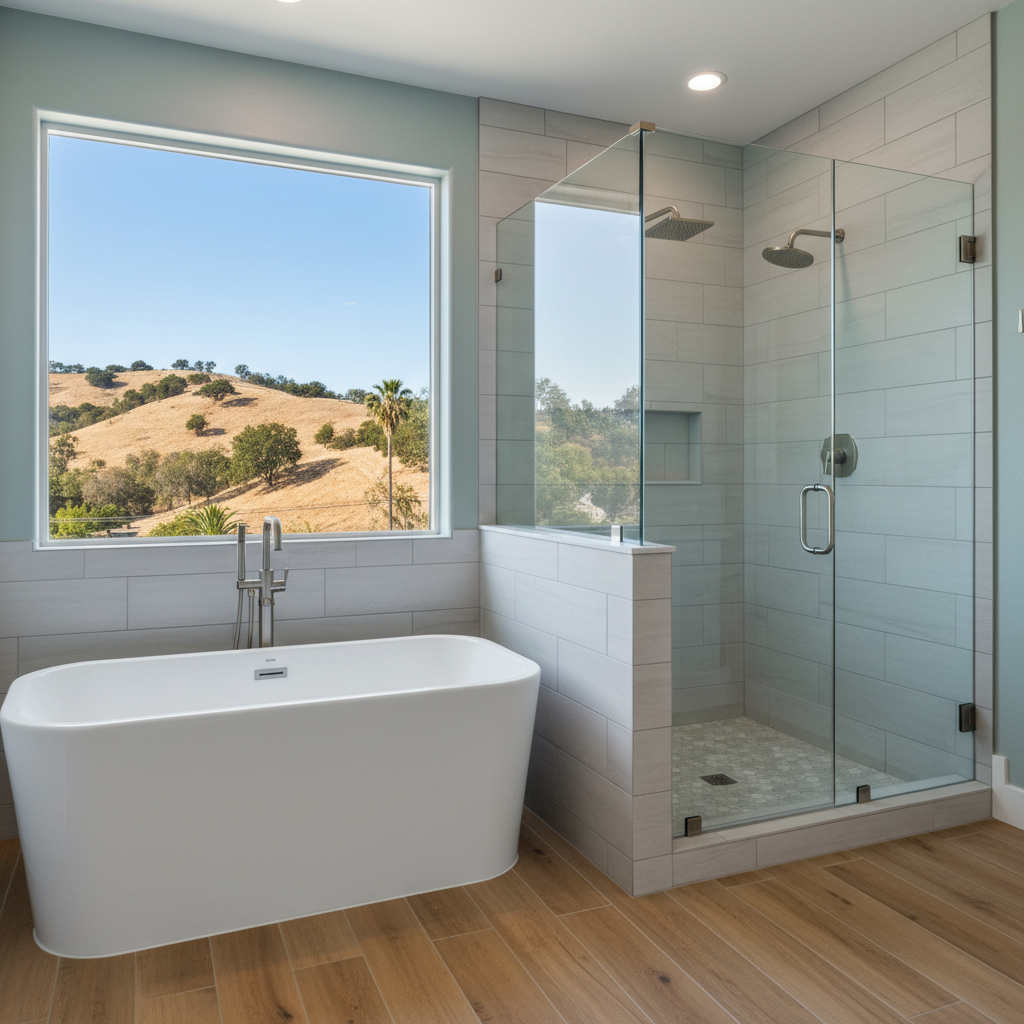
You're ready to upgrade your bathroom, maybe a sleek new walk-in shower or a luxurious soaking tub. That's exciting! But before you jump in, especially here in Sherman Oaks, let's talk about timing. Our local climate, with its hot, dry summers and cooler, sometimes wet winters, actually has a pretty big impact on how smoothly your bathtub or shower installation goes and how well it holds up over time.
When's the Best Time to Schedule?
Honestly, there isn't one single 'perfect' time for every single project, but there are definitely better windows. For most major bathroom remodels involving new tubs or showers, I usually tell folks that late spring, early summer, or early fall are your best bets. Why?
Spring (April-June): The weather's usually mild. Not too hot, not too cold. This means materials like adhesives and grouts cure properly without extreme temperatures messing with them. Plus, you're past the bulk of our rainy season, so we're not dealing with unexpected downpours.
Early Fall (September-November): Similar to spring, the temperatures are usually just right. The summer heat has backed off, but the really cool, damp days haven't set in yet. This gives everything a good chance to set up and dry without rushing or being compromised by the elements.
Now, can we do installations in the dead of summer or winter? Absolutely. We do it all the time. But we have to be more mindful. In summer, with those 100-degree days we get, especially in areas like the hills above Ventura Boulevard, we might need to adjust our schedule to avoid the hottest parts of the day or take extra precautions to ensure materials don't dry too fast. In winter, if it's unusually damp or cold, we might need to run heaters or dehumidifiers in the space to ensure proper curing, which can add a little to the timeline.
How Weather Conditions Affect the Work
It's not just about comfort for my crew, though that's part of it. The real issue is how temperature and humidity affect the materials we use.
Adhesives and Mortars: These are critical for setting tiles and securing your tub or shower base. If it's too cold, they can take forever to cure, or worse, not cure properly, leading to weak bonds. If it's too hot, they can dry out too quickly, becoming brittle or not adhering correctly. You don't want a loose tile a year down the road because the mortar didn't set right.
Grout and Sealants: Same deal here. Grout needs specific conditions to harden correctly and prevent cracking. Sealants, which are your first line of defense against water leaks, need to cure fully to form a watertight barrier. Extreme temps or humidity can compromise this, leaving you vulnerable to moisture issues.
Ventilation: During installation, especially when we're cutting tile or using certain compounds, good ventilation is key. In mild weather, we can open windows and doors. In extreme heat or cold, we might have to rely more on fans or other methods, which can sometimes be less efficient.
We at Charis Bathroom & Kitchen always account for these variables, but understanding why we might suggest certain timing or take specific steps helps you know we're doing things right.
Protecting Your Investment Year-Round
Once your beautiful new shower or tub is installed, you want it to last, right? Here's how our local climate plays into year-round care:
Ventilation is Your Best Friend: Sherman Oaks can get humid, especially after a shower. Always, always run your exhaust fan for at least 15-20 minutes after every shower or bath. This pulls out moisture, preventing mold and mildew growth on grout and caulk. It also helps preserve the integrity of your walls and ceiling.
Regular Cleaning: Don't let soap scum and hard water build up. Our water here in the Valley can be pretty hard, leaving mineral deposits that are tough to remove if left too long. Use non-abrasive cleaners regularly to keep surfaces pristine and prevent etching.
Check Your Grout and Caulk Annually: This is a big one. Over time, even the best grout and caulk can degrade, especially with temperature fluctuations. Look for cracks, crumbling, or discoloration. If you see any, address it promptly. Re-caulking a small section is way cheaper and easier than dealing with water damage behind your walls because of a tiny leak.
Watch for Leaks: Keep an eye out for any signs of water outside your shower or tub – damp spots on the floor, discolored baseboards, or peeling paint on adjacent walls. Catching a small leak early can save you a huge headache and expense down the road.
A well-timed, expertly installed bathtub or shower, followed by consistent care, will give you years of enjoyment. It's all about understanding how our unique Sherman Oaks environment interacts with your home, and taking smart steps to work with it, not against it.