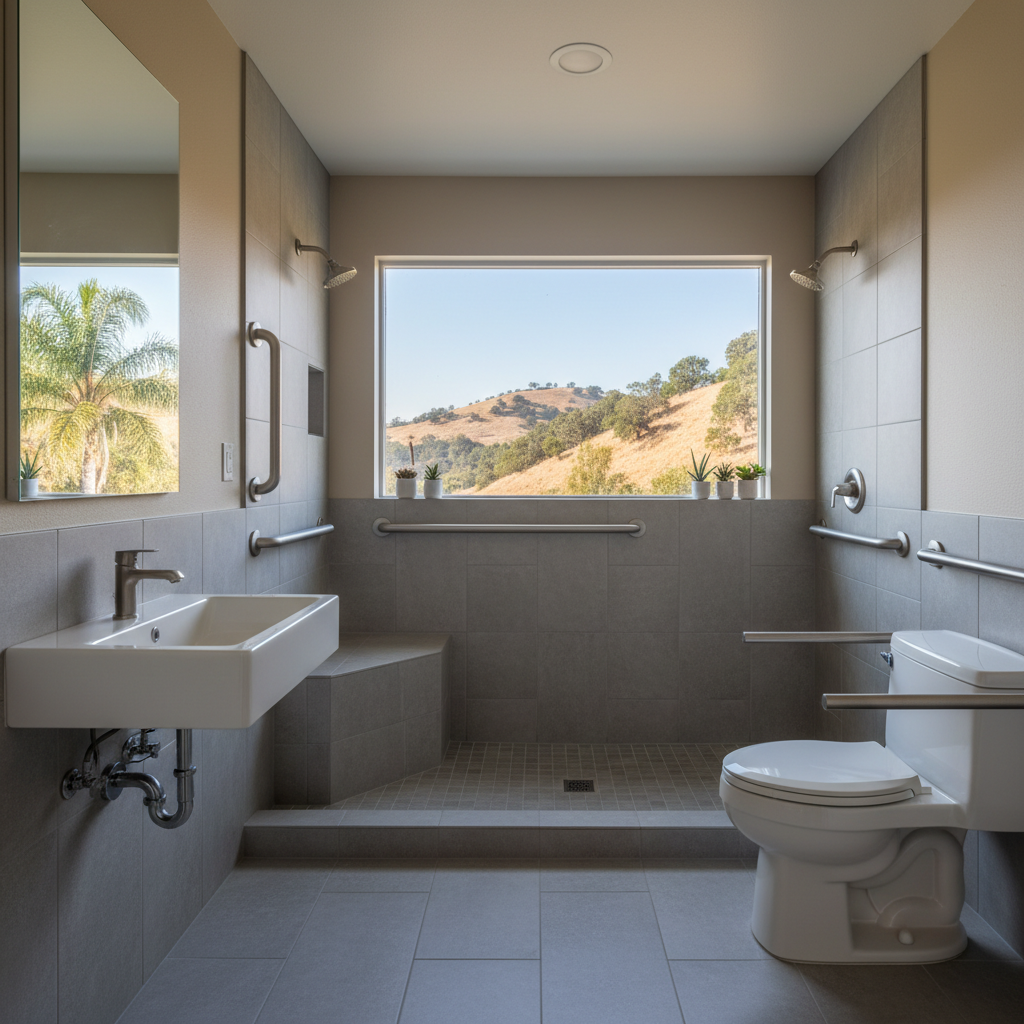
Thinking about making your bathroom more accessible here in Sherman Oaks? That's a smart move, whether it's for right now or for down the road. But before you dive in, let's chat about something people often miss: our local climate. How does it fit into building a successful, long-lasting accessible bathroom remodel? It's not just about picking grab bars; it's also about timing and protecting your investment.
When's the Best Time to Schedule Your Accessible Remodel?
Honestly, you can remodel a bathroom pretty much any time of year here in Southern California. We don't get those brutal winters like folks back east. But for an accessible bathroom, especially if it means moving walls, redoing plumbing, or making the room bigger, I've got some thoughts on when to schedule it.
- Spring (March-May): This is often perfect. The weather's usually mild, not too hot, not too cold. It's great for things like concrete work if you're pouring a new accessible shower pan or adjusting thresholds. Less dust gets tracked inside because we can open windows for ventilation without fighting extreme temperatures. Plus, if you need any outside work, like a ramp leading to an accessible entrance, the ground is usually dry and easy to work with.
- Fall (September-November): Another fantastic window. Just like spring, temperatures are comfortable. You skip the peak summer heat, which can make working indoors a bit miserable for the crew and can mess with how some materials cure. And there's less chance of unexpected rain delays compared to winter, too.
- Summer (June-August): It's totally doable, but you'll definitely need to plan for the heat. Our Sherman Oaks summers, especially in July and August, can easily hit triple digits. That means your AC will be working overtime, and we'll need to be extra careful with ventilation. Some materials, like certain adhesives or paints, might act differently in extreme heat, but we always account for that. The biggest headache, though, is often just how uncomfortable it can be for you during all the disruption.
- Winter (December-February): We don't get a ton of rain, but when it does come, it can really pour. If your accessible remodel involves any exterior changes or if we need to open up outside walls, rain can cause delays and potential moisture problems. It's not a deal-breaker, mind you, but it does demand careful planning and protection.
How Weather Conditions Affect the Work
It's not just about comfort; the weather actually impacts the quality and timeline of your accessible remodel. Take humidity, for example:
- Humidity: Even though we're usually dry, high humidity can slow down drying times for drywall mud, paint, and sealants. This is especially true if you're putting in a roll-in shower or a wet room, where proper sealing is absolutely critical for long-term waterproofing.
- Temperature Extremes: Really hot or cold temperatures can affect how concrete, mortar, and some waterproofing membranes cure. We always follow what the manufacturers say, but ideal conditions just make the job smoother and ensure the best bond.
- Rain: If we're cutting into exterior walls for, say, a wider door frame or a new window, rain is a problem. It can lead to water getting in, mold, and big delays. We always tarp everything off and protect it, but avoiding heavy rain days is always our preference.
- Dust and Air Quality: Demolition creates a lot of dust. In mild weather, we can open windows and use fans to vent it out. In extreme heat or cold, or during Santa Ana winds, that's tougher. We always use dust barriers and air scrubbers, but good ventilation really helps everyone breathe easier.
Protecting Your Accessible Bathroom Investment Year-Round
Once your accessible bathroom is finished, you want it to last. Here's how to keep it in great shape, especially with our local climate in mind:
- Ventilation is Key: Our dry climate might make us a little lazy about this, but steam from showers still creates moisture. Always run your exhaust fan during and after showers for at least 15-20 minutes. This prevents mold and mildew, particularly around grab bars, shower seats, and accessible fixtures where moisture can hang around.
- Check Grout and Sealant Regularly: The constant expansion and contraction from our temperature swings, even mild ones, can eventually affect grout and caulk. For accessible showers and wet rooms, this is super important. Inspect these areas every 6-12 months. If you spot cracks or deterioration, get them re-sealed. It's a small job that prevents big water damage later.
- Keep Drains Clear: Accessible showers often have larger drains or trench drains. Make sure they don't get clogged with hair or soap scum. A slow drain can lead to standing water, and that can eventually mess up your waterproofing.
- Monitor for Leaks: With any new plumbing, keep an eye out for leaks, especially under sinks or around the toilet. Our dry soil here in Sherman Oaks means any persistent leak, even a tiny one, can eventually cause foundation issues if it's outside, or significant damage if it's inside.
- Clean Gently: Use non-abrasive cleaners, especially on accessible fixtures like polished grab bars or specialty shower surfaces. Harsh chemicals can degrade finishes and sealants over time.
An accessible bathroom is a big investment in your home and your quality of life. At Charis Bathroom & Kitchen, we make sure every detail, from the design to the installation, takes our local environment into account. Planning ahead for the seasons means your accessible space will be safe, functional, and beautiful for years to come.